
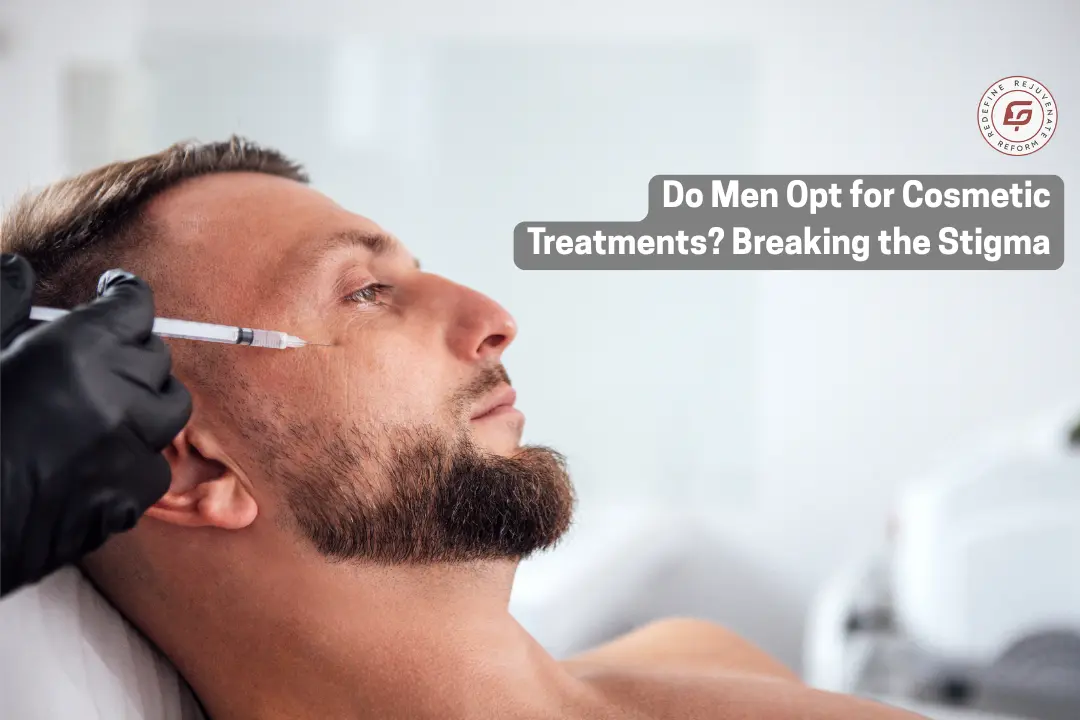
Do Men Opt for Cosmetic Treatments? Breaking the Stigma
For a long time, cosmetic treatments have been unfairly labeled as “not for men.” But the reality is changing fast. More men are exploring aesthetic care, not because they want to look like someone else, but because they want to feel more confident in their own skin. Whether it’s tackling acne scars, reducing signs of stress, managing hair thinning, or simply refreshing a tired face, the motivation is often deeply emotional. Dr. Geetika Paliwal, best cosmetic surgeon in Indore often sees that the real story isn’t just about appearance, it’s about self-image, identity, and the pressure men silently carry.
Why the stigma exists (and why it’s fading)
The stigma around men and cosmetic treatments is rooted in outdated beliefs: men should be “tough,” shouldn’t care about looks, and should “age naturally” without support. But men live in the same world as everyone else, one where first impressions matter, cameras are everywhere, and personal presentation impacts confidence at work and in relationships. Social media has also played a role: men now see other men openly discussing skincare, hair care, and grooming routines, making aesthetic treatments feel less “taboo” and more like normal self-care.
What’s important to understand is that men don’t always talk about insecurity the way women are socially allowed to. Many men won’t say, “I’m feeling low about my appearance.” Instead, it comes out as avoiding photos, skipping social events, feeling irritated by small comments, or becoming overly focused on one “flaw.”
The emotional impact: it’s not vanity, it’s vulnerability
Aesthetic concerns can hit men emotionally in ways they rarely discuss openly. Acne scars might remind someone of years of embarrassment. Hair loss can feel like losing youth or control. Dark circles and tired skin may create the impression of stress or poor health, even when someone is working extremely hard and simply not sleeping well.
These concerns can shape daily behavior:
- Avoidance: refusing to be in pictures, dodging bright lights, or keeping distance in social settings
- Confidence dips: feeling less assertive in meetings, interviews, or dates
- Overthinking: repeatedly checking mirrors, comparing photos, or fixating on one feature
- Emotional fatigue: feeling “not good enough,” even when everything else in life is going well
When men choose cosmetic treatments, it’s often a quiet step toward emotional relief, like finally doing something about a problem they’ve carried alone.
What men commonly opt for (and why)
Men typically prefer treatments that look natural and don’t dramatically change facial structure. The goal is usually “I want to look fresh,” not “I want a new face.” Some of the most common areas include:
- Skin clarity and texture
Acne, acne scars, uneven tone, pigmentation, open pores, and rough texture are common concerns. Clearer skin often leads to immediate confidence gains, because skin is the first thing people notice up close.
- Early ageing and tired appearance
Fine lines, dullness, under-eye darkness, and sagging can make men look exhausted or older than they feel. Subtle treatments can help men look more awake and energetic without obvious “work done” results.
- Hair and beard-related concerns
Hair thinning and patchy beard growth can affect self-esteem significantly. Men often explore supportive options to improve density, quality, and overall grooming confidence.
- Body confidence
Some men pursue treatments that help with stubborn fat, skin tightening, or overall body contouring, especially when gym efforts don’t fully match their goals.
The psychology of “looking good” for men
When a man starts feeling better about his appearance, the benefits often go beyond looks. Many patients describe feeling:
- Feel at ease in gatherings and day-to-day interactions
- Approach new conversations and connections with more self-assurance
- Stay more consistent with healthy habits and personal care routines
- Carry a lighter mindset, less self-doubt, more self-acceptance
It’s a ripple effect: a small improvement can reduce mental noise. Instead of spending energy worrying about how they look, they redirect energy toward how they live.
And that’s where the stigma truly breaks, when we understand that cosmetic treatments can be part of overall well-being, not a “gendered” choice.
A natural result matters more than a dramatic one
Men often hesitate because they fear looking unnatural or being judged. That’s why choosing the right doctor, right plan, and right pace matters. A good aesthetic approach respects facial structure, works with natural features, and focuses on subtle enhancement. Dr. Geetika Paliwal, plastic surgeon in Indore emphasizes outcomes that look balanced, realistic, and confidence-boosting, because the best compliment is never “What did you get done?” It’s “You look well.”
Conclusion
Cosmetic treatments for men aren’t a trend, they’re a reflection of changing attitudes. Men are finally allowing themselves the same permission: to care, to improve, and to feel good about how they present themselves. The emotional impact is real, and so is the relief that comes from addressing long-standing insecurities in a safe, professional way.
If you’ve been thinking about a treatment but feel unsure because of what people might say, remember this: self-care doesn’t need approval. It needs honesty. And with the right guidance, your results can look natural, feel empowering, and support your confidence in everyday life. For those considering their options, Dr. Geetika Paliwal, expert in plastic & cosmetic procedures, can help you choose what truly fits your goals, because confidence should feel like you, just more at ease.
