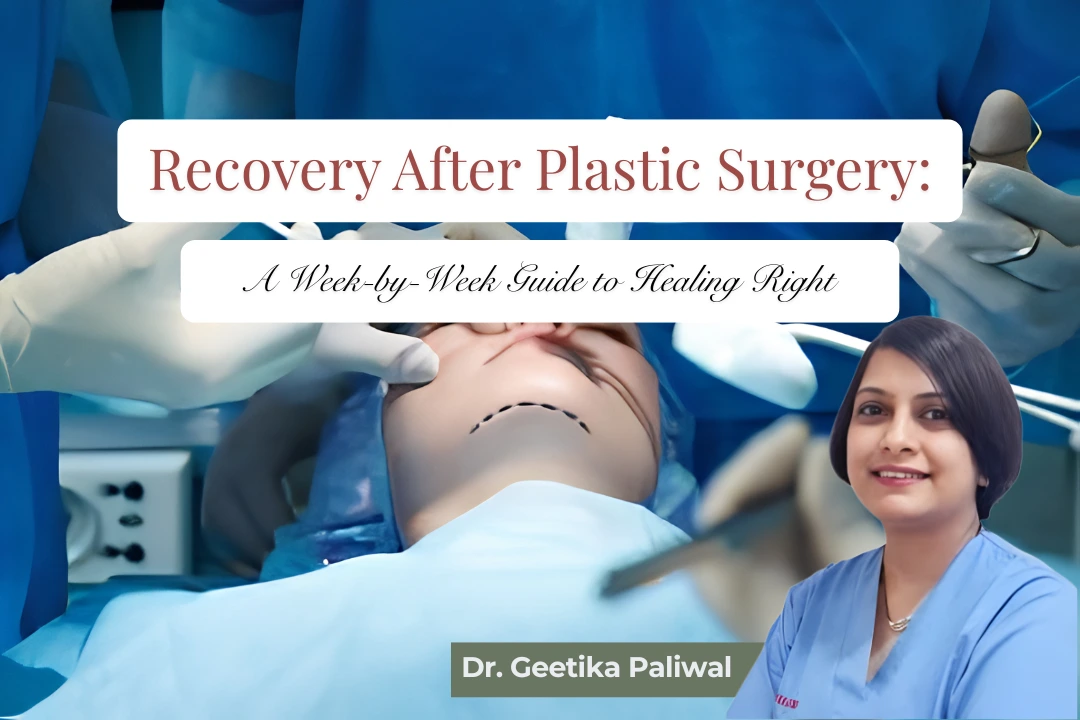
Recovery After Plastic Surgery: A Week-by-Week Guide to Healing Right
Recovery from plastic surgery is a very important part of getting safe and satisfying results. The surgery itself may only take an hour but the body needs several weeks or months to heal properly. You will probably feel some swelling, bruising, tightness and discomfort during the stage.
Dr. Geetika Paliwal, best cosmetic surgeon in Indore, says that patients should follow their surgeons instructions of comparing their recovery with someone else’s experience. This is because every person is different.
Every procedure has a healing timeline. For example recovery after liposuction will not be the same as recovery after breast surgery, rhinoplasty, tummy tuck or facelift. Your general health, the extent of surgery, smoking and individual healing ability can also affect recovery.
The First 24 to 48 Hours
The two days are mainly about rest and observation. You may feel tired because of the anesthesia and prescribed medicines. You will probably feel some pain, swelling, bruising and tightness around the operated area.
You may need an adult to help you with meals, medicines and movement. Make sure to take prescribed medicines and keep dressings, drains or compression garments in place as advised. You can take gentle walks but you should avoid strenuous activity.
If you have pain, sudden swelling, excessive bleeding, breathing difficulty, chest pain, fever or unusual discharge you should contact the surgeon right away. If you notice increasing redness, warmth, pain or pus around the wound you should get medical help because it could be a sign of an infection.
Week 1: Protect the Surgical Area
During the week you may still have some swelling and bruising. The area may feel firm, numb, sensitive or uncomfortable. These changes are a part of the healing process but the symptoms should get better over time.
You should keep the incision dry according to the instructions given by the surgical team. Do not remove dressings, tapes or drains unless you are told to do so. You should wear compression garments or surgical bras for the recommended period.
You can take walks but you should avoid bending, lifting, gym workouts and tasks that put pressure on the operated area. Eating meals, getting enough protein and staying hydrated can help support the healing process.
Week 2: Gradual Improvement
By this week, many patients start to feel more comfortable. The bruising may fade the pain may. It may become easier to move around. Some people may be able to go to work depending on the procedure and their surgeon’s approval.
You will probably have a follow-up visit with the surgeon, who will check the stitches, drains or dressings. You should continue to avoid lifting and intense exercise because the deeper tissues are still healing. Simple surgical wounds may heal in around 10 to 14 days but deeper healing takes longer.
The results may look uneven or more swollen on one side during this stage. You should not judge the results too early.
Week 3 and 4: Returning to Routine
During the fourth week, you can gradually return to your daily activities. The swelling will probably reduce and your clothes may feel more comfortable. You can usually increase your walking and you should only restart exercise after getting medical clearance.
Some procedures require restrictions. For example abdominal or breast surgery may involve limits on lifting while facial surgery may need protection from pressure and sunlight.
You will have follow-up appointments with the surgeon, who will check the wound healing, swelling, scars and overall progress.
Weeks 5 and 6: Building Activity Carefully
By weeks five and six many patients feel closer to their routine. Depending on your recovery the surgeon may allow low-impact exercise or a gradual return to the gym.
You should increase your activity slowly. If you feel pain, pulling, unusual swelling or discomfort it may mean that your body needs time. You should not start workouts just because the outer incision looks healed.
The scars may appear red, raised or firm. You should only start a massage or use silicone-based products when recommended by the surgeon.
Months 2 and 3: Results Become Clearer
Over the next few months, the swelling will continue to settle and the treated tissues will become softer. The operated area may look more natural. You may still have some numbness, firmness or mild sensitivity. It is temporary.
Some procedures may settle within a month while scar maturation can continue for six months to a year. You should protect the scars from sunlight. Maintain a stable weight to support long-term results.
How to Support Faster Healing After Surgery

- Take all prescribed medicines correctly and on time.
- Eat balanced, nutrient-rich meals to support tissue repair.
- Drink enough water to stay properly hydrated.
- Get adequate sleep and rest to help your body recover.
- Avoid smoking and nicotine, as they can slow down healing.
- Avoid alcohol during recovery.
- Do not take supplements unless your surgeon confirms they are safe.
You should never rush your recovery. You should only return to work, driving, exercise and travel when the surgeon says it is okay.
Conclusion
Healing after surgery is a gradual process that requires patience, proper aftercare and regular follow-up. Each week brings improvement, the exact timeline differs for every patient and procedure. You can get a consultation with Dr. Geetika Paliwal, best plastic surgeon in Indore, to understand what to expect, follow the right precautions and recover with greater confidence.
FAQ’s
Recovery can take a few weeks to several months. The exact duration depends on the type of procedure, the extent of surgery, general health and individual healing ability.
Swelling, bruising, tightness, tiredness and mild discomfort are common during the first week. Patients should rest, take prescribed medicines and follow wound-care instructions.
Some patients may return to desk work within one or two weeks. More physically demanding work may require a longer break, depending on the procedure and medical advice.
Light walking may be advised during early recovery. Gym workouts, running, heavy lifting and intense exercise should only be restarted after receiving clearance from the surgeon.
Wear the recommended compression garment, rest properly, stay hydrated and avoid strenuous activity. Do not use medicines or home remedies without medical advice.
Severe pain, sudden swelling, excessive bleeding, chest pain, breathing difficulty, fever, increasing redness or unusual discharge require prompt medical attention.
Initial improvement may become visible within a few weeks, but swelling can take several months to settle. Scars may continue changing for six months to a year.
Patients should receive aftercare from the clinic or surgical team that performed their procedure. Regular follow-up appointments help assess healing and identify possible concerns early.
You can consult Dr. Geetika Paliwal in Indore for personalised guidance regarding recovery, wound care, activity restrictions, scar management and follow-up after plastic surgery.
Balanced meals containing protein, fruits, vegetables and adequate fluids can support recovery. Patients should follow any specific dietary instructions provided by their medical team.
